
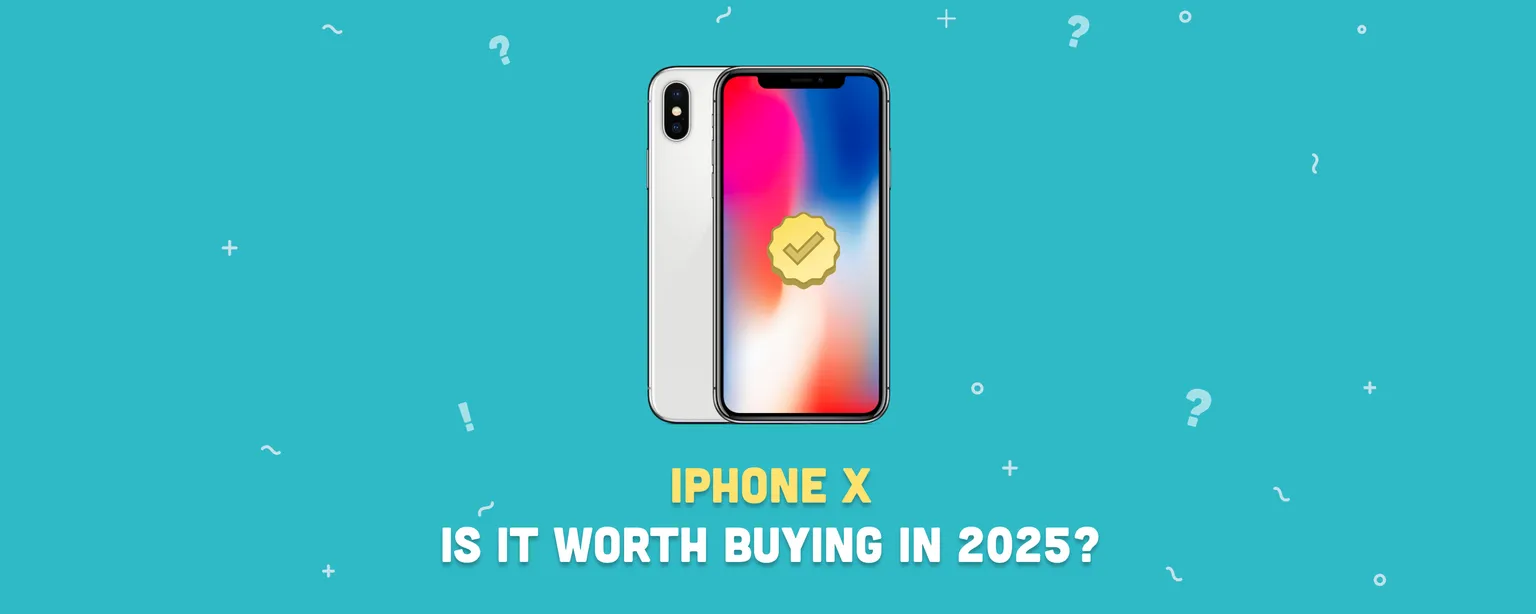
The Apple iPhone X was a huge, innovative push toward the smartphone market’s future when it was released in 2017. So much so that Tim Cook referred to it as "the biggest leap forward since the original iPhone." What made it so special even for first-time iPhone users? And more importantly - is it still worth buying the iPhone X in 2026, now that Apple has officially classified it as obsolete? Let’s find out.
Table of contents
- Why is the iPhone X so unique?
- An in-depth look at the iPhone X
- Where can you buy a cheap iPhone X in 2026?
- The verdict
- FAQ
Why is the iPhone X so unique?
The iPhone X was the first full-screen smartphone and the first Apple phone with a face-recognition model that didn’t need to rely on the Touch ID feature. These changes revolutionized the way we used our phones and were not limited to the iPhone itself.
It’s a big, powerful smartphone with a narrow bezel, an OLED display, a completely overhauled design, a Face ID system, and many other fantastic features. The smartphone was also responsible for raising the bar and setting the standard for the new normal when it came to using our handsets.
👉 Learn more: Why Is There No iPhone 9 and iPhone 10?
An in-depth look at the iPhone X
Let’s take a closer look at this handset’s specs and see if an iPhone X is worth buying in 2026.
Design
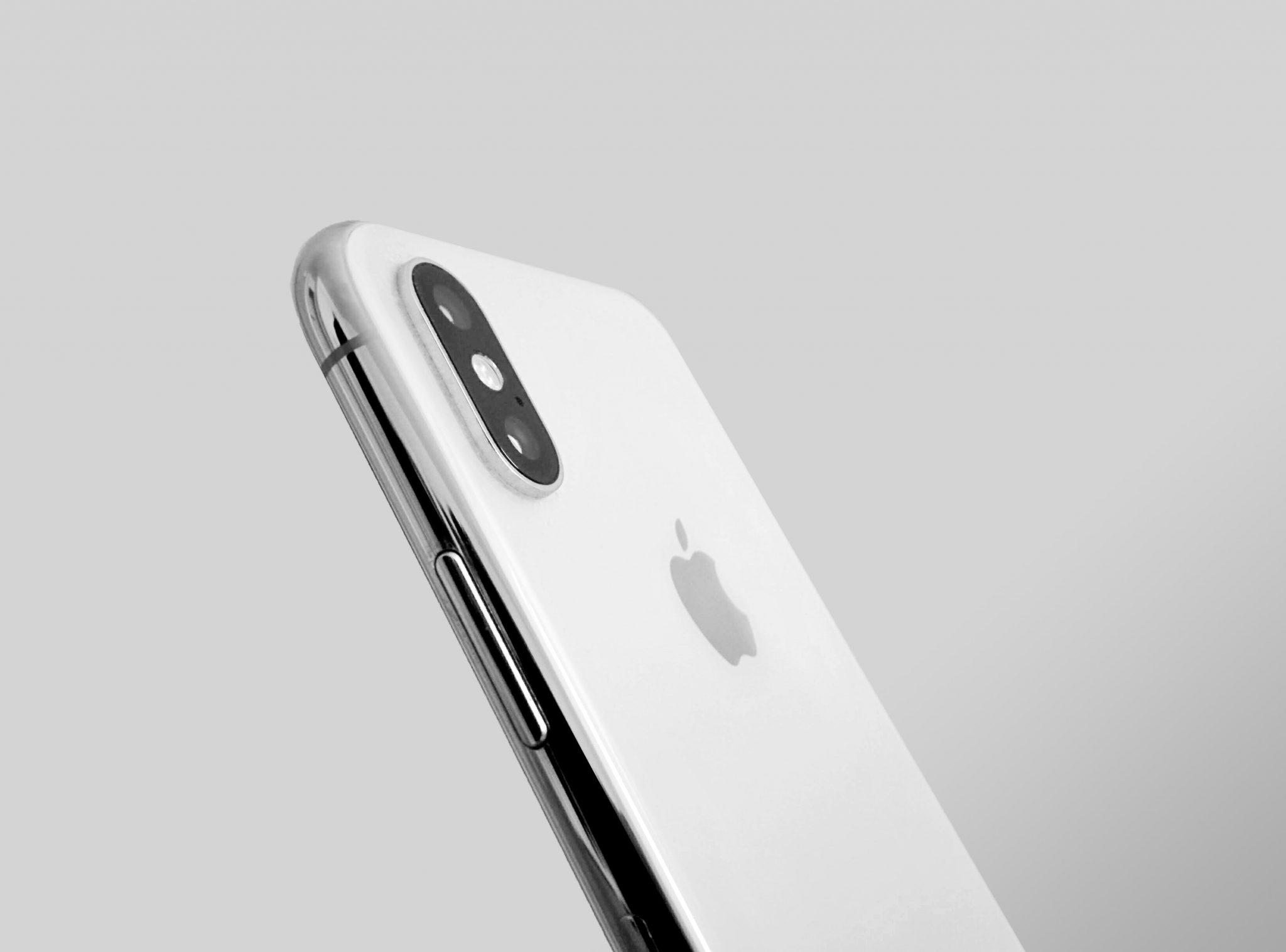
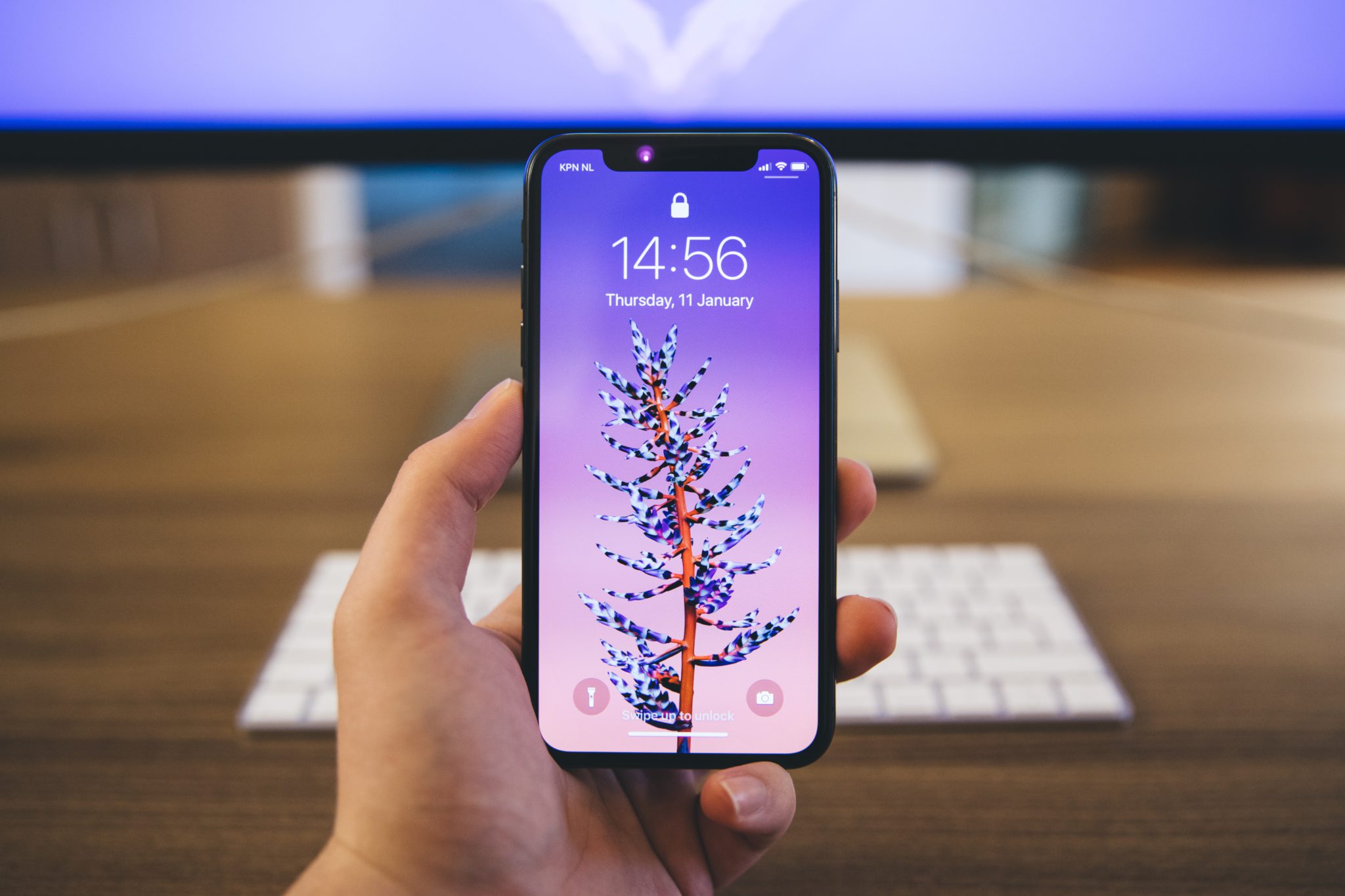
The handset boasts a gorgeous, all-glass design. Its full-screen display follows all the lovely curves of the device for an elegant and polished look.
The most durable glass (IP67) ever found in a smartphone at the time of its launch holds the front and the back, in both silver and space gray, for a smooth and glossy finish, free from dust and water-resistant.
The iPhone X is made from stainless steel, one of the hallmarks of a premium device, and it fits comfortably in hand.
Screen
A beautiful 5.8-inch Super Retina display shows off clear and vibrant colors for the user, also featuring a 2436×1125 resolution with 458 pixels per inch.
The new and improved OLED technology allows you to enjoy deeper blacks and more dazzling whites, improving the user experience.
The display is also compatible with HDR and Dolby Vision, as well as Apple’s True Tone tech, which adapts according to your environment, color balances in the display will shift according to the lighting in your space.
You no longer need to search for the brightness controls to manually adjust the phone’s settings.
Camera
The quality of the photos is one of the highlights of the iPhone X.
We start with the 12 + 12 megapixel wide-angle rear cameras, with a telephoto lens (f/1.8 and f/2.4), 4 LED flash, dual optical stabilizer, and optical and digital zoom up to 10x.
The phone can take photos and videos in 4K at 24, 30, and 60 FPS. It far outperforms the iPhone 8 Plus in low-light conditions.
The front camera has 7 megapixels (f/2.2) with photography and video recording in 1080p and Retina flash, allowing you to take some great quality selfies in Portrait mode. Regarding the Face ID function, the new TrueDepth infrared camera system has a projector that creates a three-dimensional map from the grid it projects on the face.
It’s not the best camera you can find on a smartphone in 2026, but it still takes respectable photos for casual use.
Performance
The iPhone X has an A11 Bionic chip, with all six cores accessible simultaneously, meaning a drastically improved performance, particularly regarding multi-threaded workloads.
You’ll also benefit from a faster GPU, an Apple-designed image signal processor, a video encoder, and an A11 coprocessor.
👉 Related: 21 Best Classic and Old iPhone Games You Can Still Play
iOS compatibility and connectivity
This is where the iPhone X shows its age most clearly. The device is stuck on iOS 16 - Apple dropped it from iOS 17 back in 2023, and it is incompatible with both iOS 18 and iOS 26. In March 2026, Apple classified the iPhone X as officially obsolete, meaning the company no longer offers hardware repairs for it.
On the software side, Apple did release iOS 16.7.15 in March 2026 - a security-only patch - but this is widely expected to be among the final updates the device will ever receive. Going forward, this means:
- No new features or system improvements - the iPhone X misses out on Apple Intelligence, the Liquid Glass redesign, and every major addition since iOS 17
- Growing security risk - once iOS 16 stops receiving patches entirely, known vulnerabilities will remain unpatched
- Declining app compatibility - developers are increasingly dropping support for iOS 16, and popular apps like YouTube and Instagram are one version away from requiring a newer OS
- No official Apple repairs - battery replacements and hardware fixes must go through third-party providers
The iPhone X also lacks 5G connectivity, eSIM support, and MagSafe compatibility. Users cannot take advantage of faster data speeds and must rely on physical SIM cards.
Battery life and wireless charging
Battery life is something that plagues Apple fans day in and day out. It seems you can never get further than a few months before the battery starts to deteriorate and leave you wishing you had purchased a power bank.
The iPhone X joined the iPhone 8 and 8 Plus as the first Apple phones to support wireless charging. The phone uses the open Qi charging stand, allowing a whole host of pads to power up this device, not just those made by Apple.
With efficiency improvements enabled by the A11 Bionic chip, the iPhone X offers two hours more battery life than the iPhone 7, but the battery falls short of the iPhone 7 Plus. Keep in mind that most iPhone X units on the market in 2026 are now over seven years old, and their 2,716 mAh batteries will have degraded significantly - expect noticeably shorter battery life than when the phone was new.
Where can you buy a cheap iPhone X in 2026?
The iPhone X was released in 2017, so it is very rare to find a brand-new model. Apple no longer sells it officially and has discontinued it in its official store.
While you might find a new model lost on a store shelf somewhere, buying a refurbished phone is the easiest and cheapest option.
At RefurbMe, we compare hundreds of refurbished Apple devices in real time. Buying refurbished products is the best way to save money while boosting the circular economy.
In the end, a refurbished iPhone X works exactly the same as a factory one after going through a rigorous examination by professional technicians, a component replacement if necessary, and a thorough cleaning.
👉 Learn more: 6 best places to buy refurbished iPhones
Check out our real-time iPhone X comparisons from multiple trusted sellers here:

The verdict
For most buyers in 2026, the iPhone X is no longer a recommended purchase. Apple has classified it as obsolete, iOS 16 security patches are winding down, and app compatibility is shrinking with each passing month. The A11 Bionic chip - once cutting-edge - now struggles with demanding modern apps, and the lack of 5G, eSIM, and MagSafe makes it feel firmly rooted in 2017.
That said, the iPhone X can still serve as a backup phone, a device for children, or a secondary handset for basic tasks like calls, messaging, and light browsing. At prices around $100-$130 refurbished, it remains one of the most affordable ways to get an all-screen iPhone with Face ID.
If you do decide to buy one, make sure you purchase from a trusted refurbished seller that offers a warranty - battery health is a particular concern on units this old.
Compare refurbished iPhone X prices from multiple trusted sellers on RefurbMe.
Better alternatives to consider
For a small price premium, these models offer dramatically better longevity:
- iPhone 11 - supports iOS 27, has a larger 3,110 mAh battery, and features the A13 Bionic chip. Read our iPhone X vs. iPhone 11 comparison.
- iPhone 12 - adds 5G, MagSafe, and the A14 chip with an expected two more years of iOS updates. See iPhone X vs. iPhone 12.
- iPhone SE (3rd gen) - compact, budget-friendly, and still running the latest iOS.
You may also want to read our iPhone X vs. iPhone XR guide or the iPhone X vs. iPhone 13 comparison to understand the full upgrade path.
FAQ
Is the iPhone X still safe to use in 2026?
For basic tasks - calls, texts, and casual browsing - the iPhone X remains functional. However, Apple classified it as obsolete in early 2026, and iOS 16 security patches are nearing their end. If you use your phone for banking, sensitive communications, or storing personal data, the growing security risk makes the iPhone X a poor choice. Consider upgrading to at least an iPhone 11, which still receives full iOS 27 updates.
What is the difference between an iPhone X and an iPhone XS?
The iPhone XS has the faster A12 Bionic chip, slightly better cameras with Smart HDR, and a more durable IP68 water resistance rating. Crucially, the iPhone XS received iOS 18 support - though it too has been excluded from iOS 26. For buyers in 2026, neither model is ideal for long-term use; the iPhone 11 or iPhone 12 are significantly better investments.
Is the iPhone 11 better than the iPhone X?
Yes, by a wide margin in 2026. The iPhone 11 supports iOS 27, has the A13 Bionic chip, a larger 3,110 mAh battery, and an ultra-wide camera. It is the oldest iPhone still receiving full software updates, making it a far safer and more capable purchase. 👉 Review: iPhone X vs. iPhone 11: What Are the Differences?
How to get the best price for the iPhone X?
The iPhone X is discontinued and only available refurbished. A comparison platform like RefurbMe aggregates offers from multiple trusted sellers - such as Amazon Renewed, Back Market, and Gazelle - so you can find the lowest price and best warranty in one place. Expect to pay around $100-$130 for a unit in good condition.
How long will the iPhone X last?
The hardware itself can physically last several more years, but software support is effectively over. With Apple no longer offering repairs and iOS 16 nearing end-of-life for security updates, the iPhone X’s useful lifespan as a primary device is limited. For a phone that will remain supported through 2028 or beyond, look at a refurbished iPhone 12 or newer.
Last updated: Sep 15, 2026 · First published: Dec 6, 2024